Bridging physical operations with software, data, and intelligent automation
Physical operations generate data across machines, equipment, sensors, cameras, RFID systems, enterprise applications, and people. The challenge is turning these disconnected sources into reliable operational information. We design and integrate connected systems that bring devices, operational data, applications, and automation together. Solutions are built around existing processes and systems, with a focus on visibility, integration, reliability, and long-term scalability.
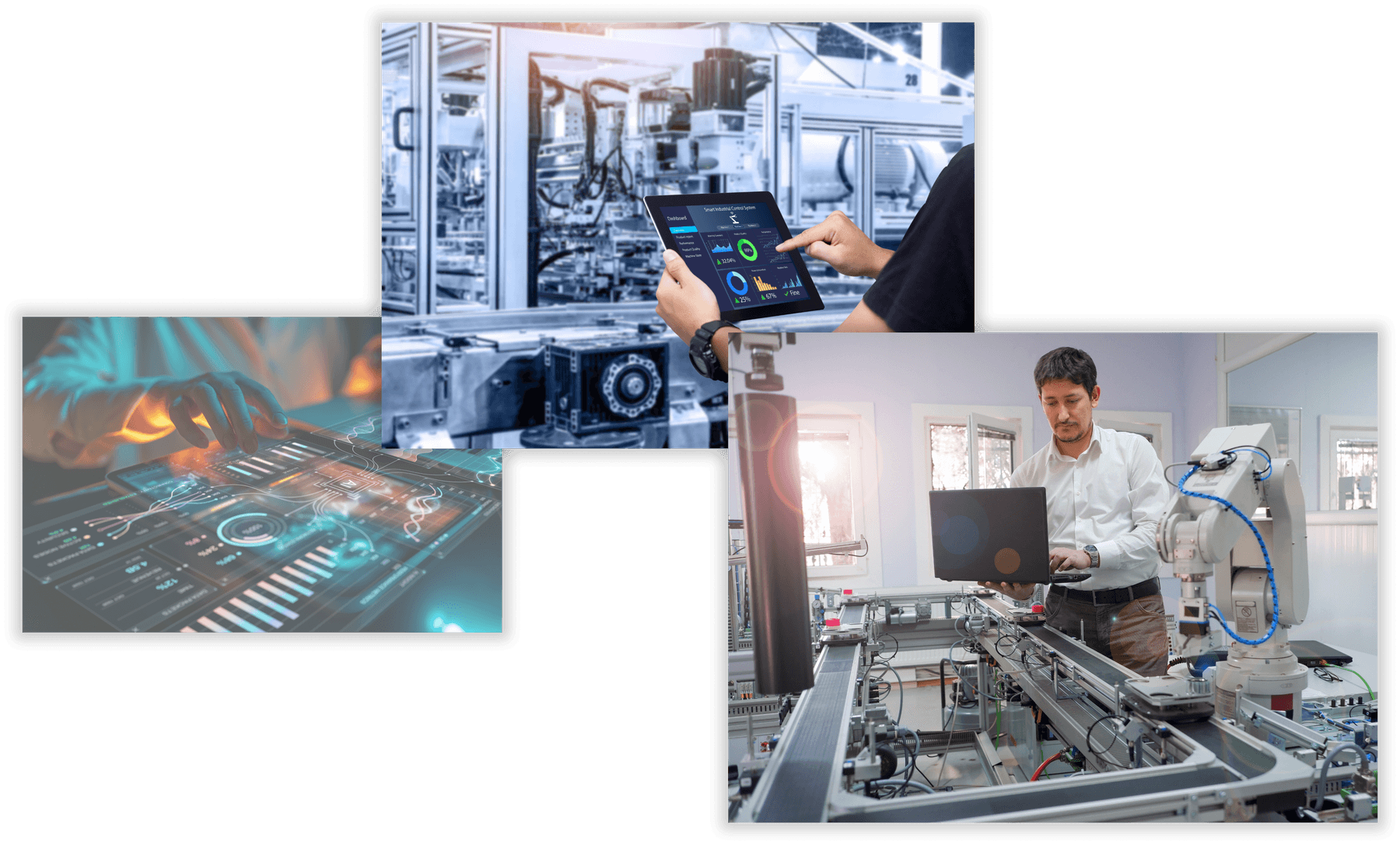
Connected technology for real operational environments
We start with the operational requirement and design the systems, integrations, and applications needed to support it.
Industrial IoT & Machine Connectivity
Connect machines, controllers, sensors, and equipment to capture operational data and make it available to applications and analytics.
Machine & Equipment Connectivity
PLC Integration
SCADA / MES Integration
IoT Sensors
Machine Monitoring
Real-Time Data Capture
Computer Vision & Machine Vision
Apply vision systems to inspection, identification, measurement, verification, and monitoring across operational processes.
Automated Inspection
Defect Detection
Object Detection & Recognition
Counting & Verification
OCR
Barcode / QR Recognition
Process Monitoring
RFID & Intelligent Tracking
Use RFID and identification technologies to track materials, products, assets, equipment, and movement across operational workflows.
RFID Integration
Asset Tracking
Location Tracking
WIP & Material Tracking
Traceability
Inventory Visibility
Movement Events
Automation & Process Integration
Connect operational events with applications and workflows to automate routine actions, alerts, and exception handling.
Workflow Automation
Rules & Decision Logic
Alerts & Notifications
Process Orchestration
Automated Data Capture
Exception Handling
System Integration
Operational Data & Analytics
Bring data from connected devices and existing systems into structured platforms for reporting, monitoring, and operational analysis.
Operational Dashboards
Real-Time Monitoring
Performance Analytics
Downtime Analysis
Quality Analytics
Data Integration
Predictive Insights
Digital Twins & Spatial Systems
Create digital representations of facilities, assets, and physical processes using operational, location, and sensor data.
Digital Facility Models
Digital Warehouse Models
Interactive Layouts
Asset Positioning
Location Intelligence
Digital Twins
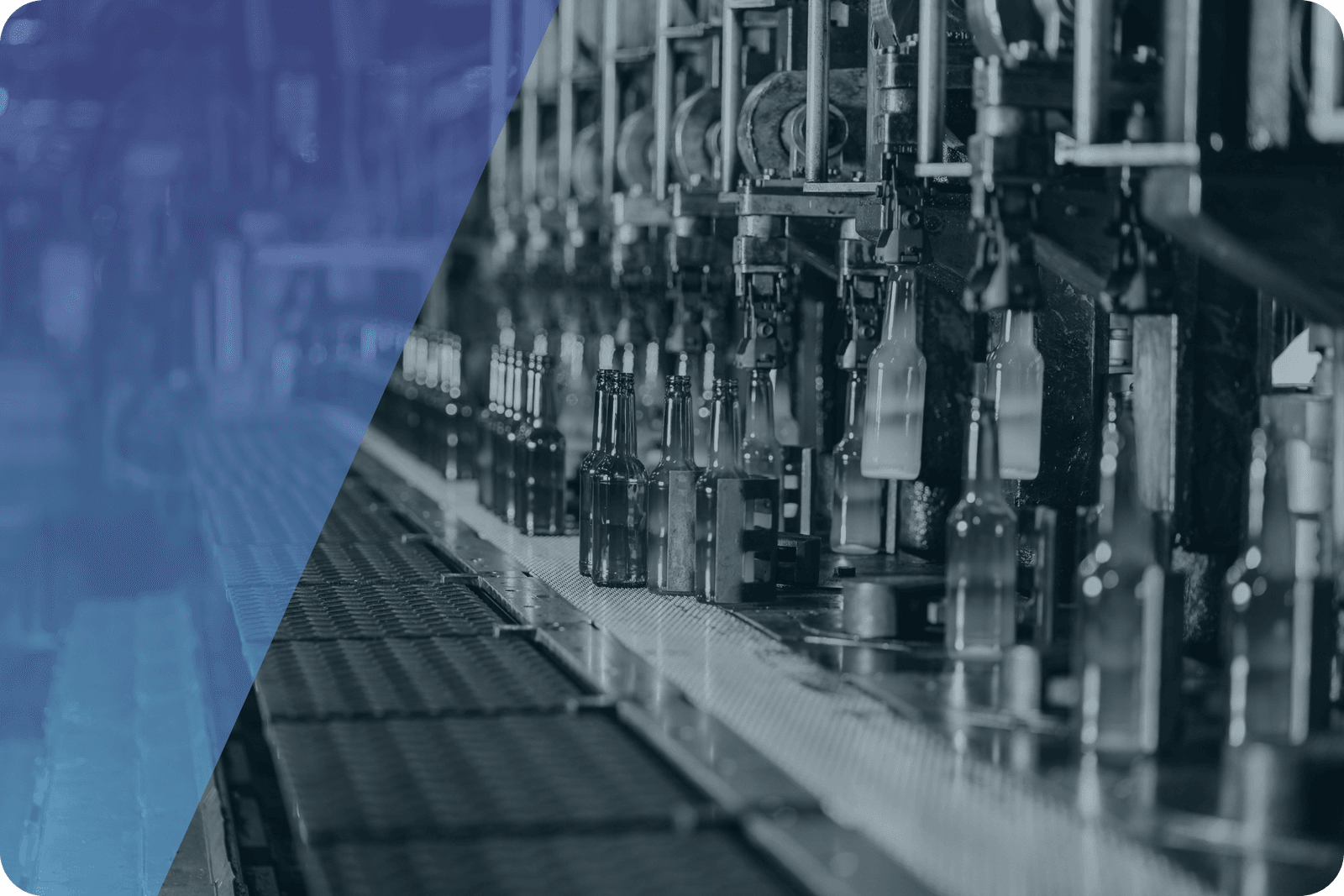
Automated visual inspection, object detection, identification, and process verification
Computer vision and machine vision solutions enable systems to interpret images and video for quality control, identification, measurement, and operational monitoring turning visual inputs into actionable data for applications and automation.
Automated product and component inspection
Defect and anomaly detection
Object identification and counting
OCR, barcode, and label recognition
Process and assembly verification
Visual safety and compliance monitoring
Creating the technology foundation that enables data to flow, systems to interact, and operations to evolve
The value of connected technology comes from how the individual components work together. Devices and systems are connected through an architecture that moves operational data from the source to the applications and intelligence that use it.
01
Machines & Equipment
Machines, controllers, production equipment, and operational signals.
02
Sensors
Temperature, vibration, energy, pressure, location, and other process conditions.
03
Vision
Cameras and vision systems capturing products, objects, defects, and visual events.
04
RFID & Tracking
Identification and movement data for materials, assets, products, containers, and equipment.
05
Edge & Gateway
Local data collection, processing, protocol conversion, and communication.
06
Data Platform
Structured operational data across devices, applications, systems, facilities, and locations.
07
Applications & Intelligence
Dashboards, workflows, rules, analytics, anomaly detection, and operational insights.

From operational challenges to practical solutions
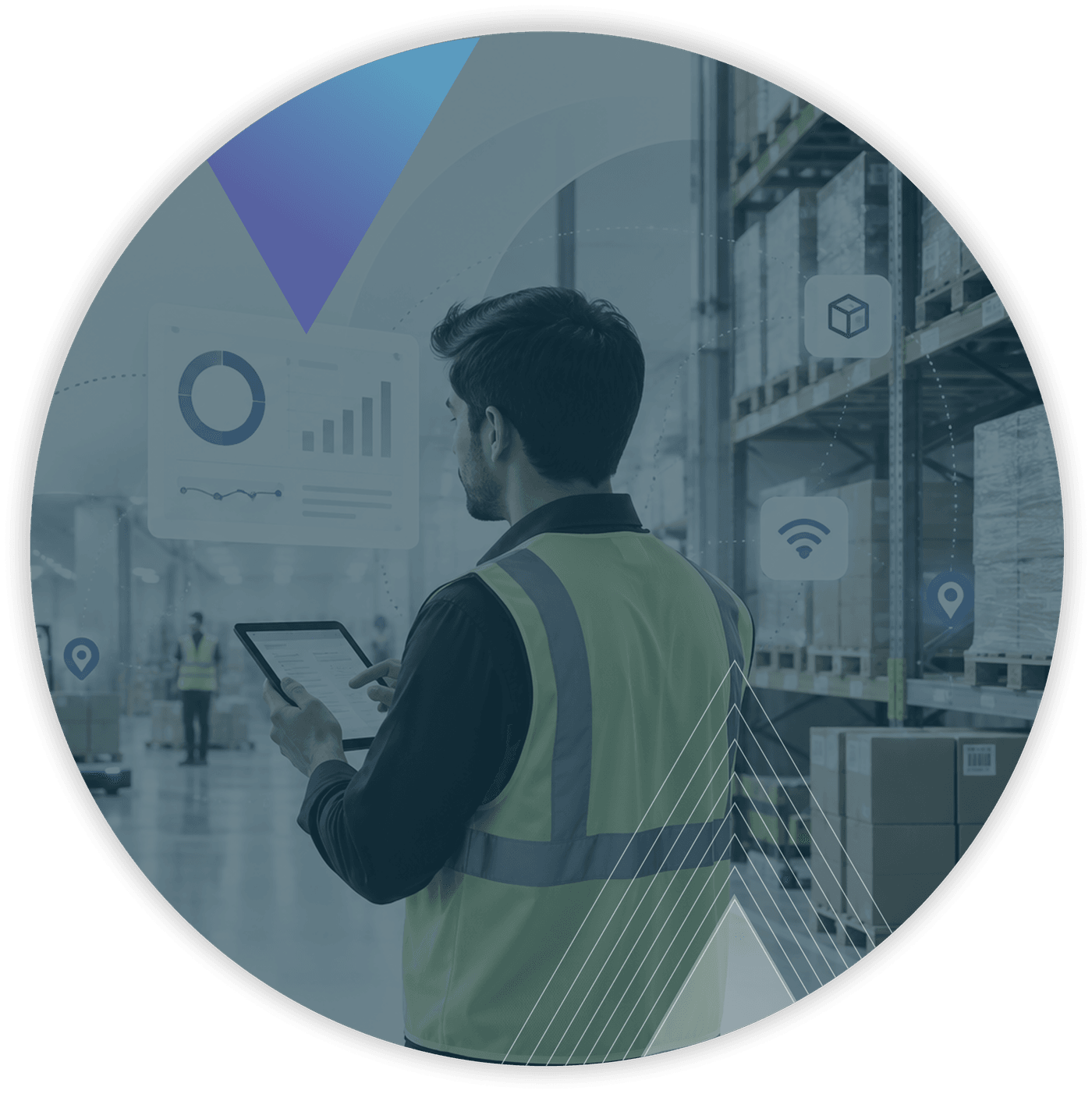
Every operation has its own processes, systems, constraints, and priorities. We start by understanding how the operation works, then identify where technology can improve visibility, control, efficiency, or decision-making.
01.
Operational Assessment
Understand the process, systems, equipment, data sources, dependencies, and operational requirements.
02.
Use Case Definition
Identify where measurement, inspection, tracking, monitoring, or automation can provide measurable improvement.
03.
Architecture & Technology Selection
Define the connected architecture and select the appropriate combination of IoT, RFID, vision, edge, integration, analytics, and automation technologies.
04.
Integration & Implementation
Connect devices and existing systems, develop applications and workflows, and establish the required data and integration layer.
05.
Validation & Optimization
Validate the solution in the operating environment, measure performance, address exceptions, and refine the system as requirements evolve.
Built for real-world operations
Apply these capabilities to individual processes, facilities, or workflows, or integrate them across the wider operation.
Operations & Process Visibility
Monitoring, Workflow visibility, Performance Measurement, Operational Dashboards and Exception Management.
Inspection & Quality
Automated inspection, Verification, Defect detection, Process Checks and Quality analytics.
Asset & Location Intelligence
RFID tracking, Asset Identification, location Visibility, Traceability and Movement Tracking.
Inventory & Material Intelligence
Inventory visibility, Material Tracking, Stock Monitoring, Reconciliation and Movement Analysis.
Equipment & Maintenance Intelligence
Condition monitoring, Equipment Health Data, Alerts, Anomaly detection and Maintenance analytics.
Safety & Compliance
Visual monitoring, Process verification, Environmental sensing, Compliance checks and Exception alerts.